We're materialistic.
Not in “I need another bag” way more in “wait, what exactly is this bag made of?” way...
We obsess over how a material feels in your hand, how it holds up after months of use, where it comes from and more importantly where it goes next.
Turns out, good materials can come from unexpected places.
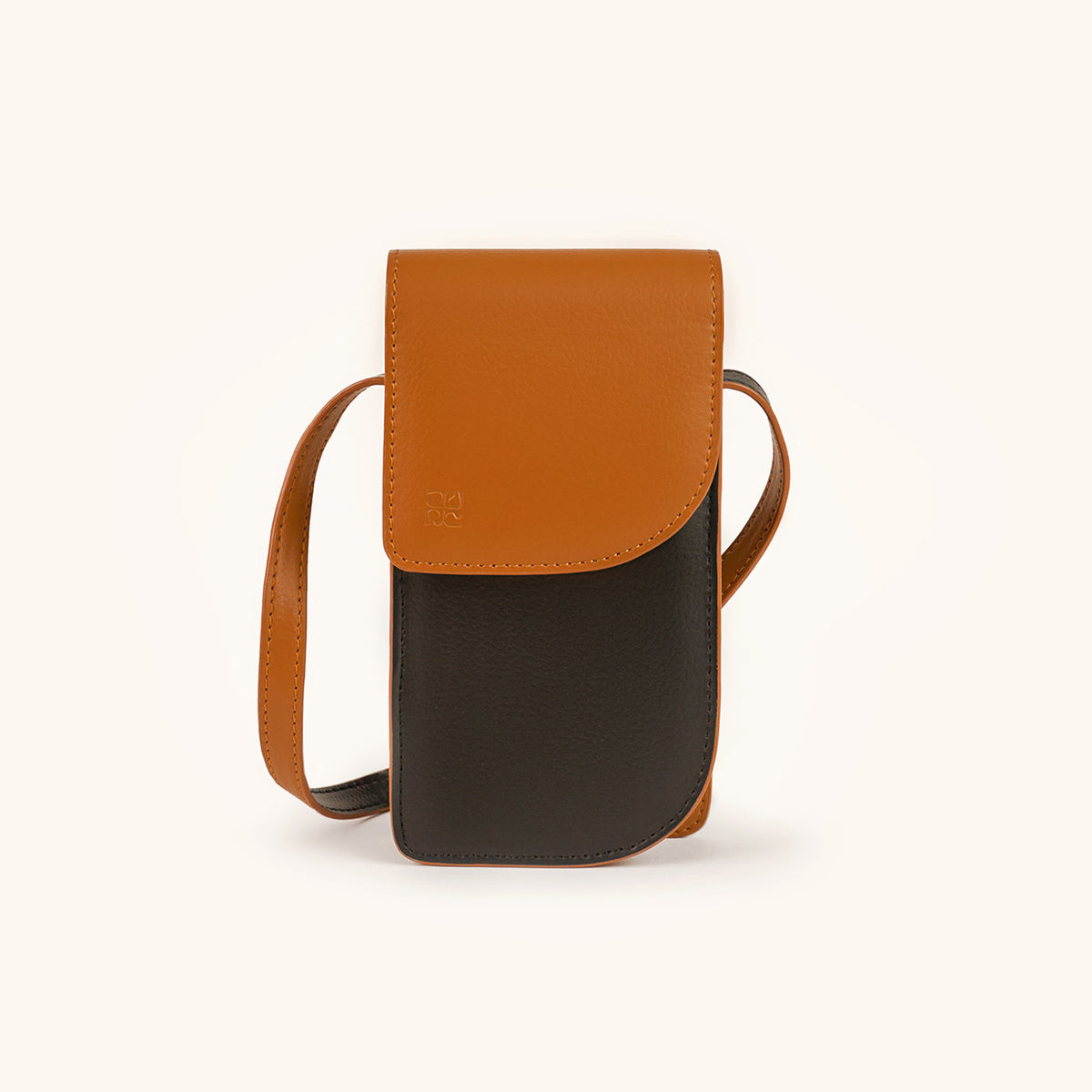
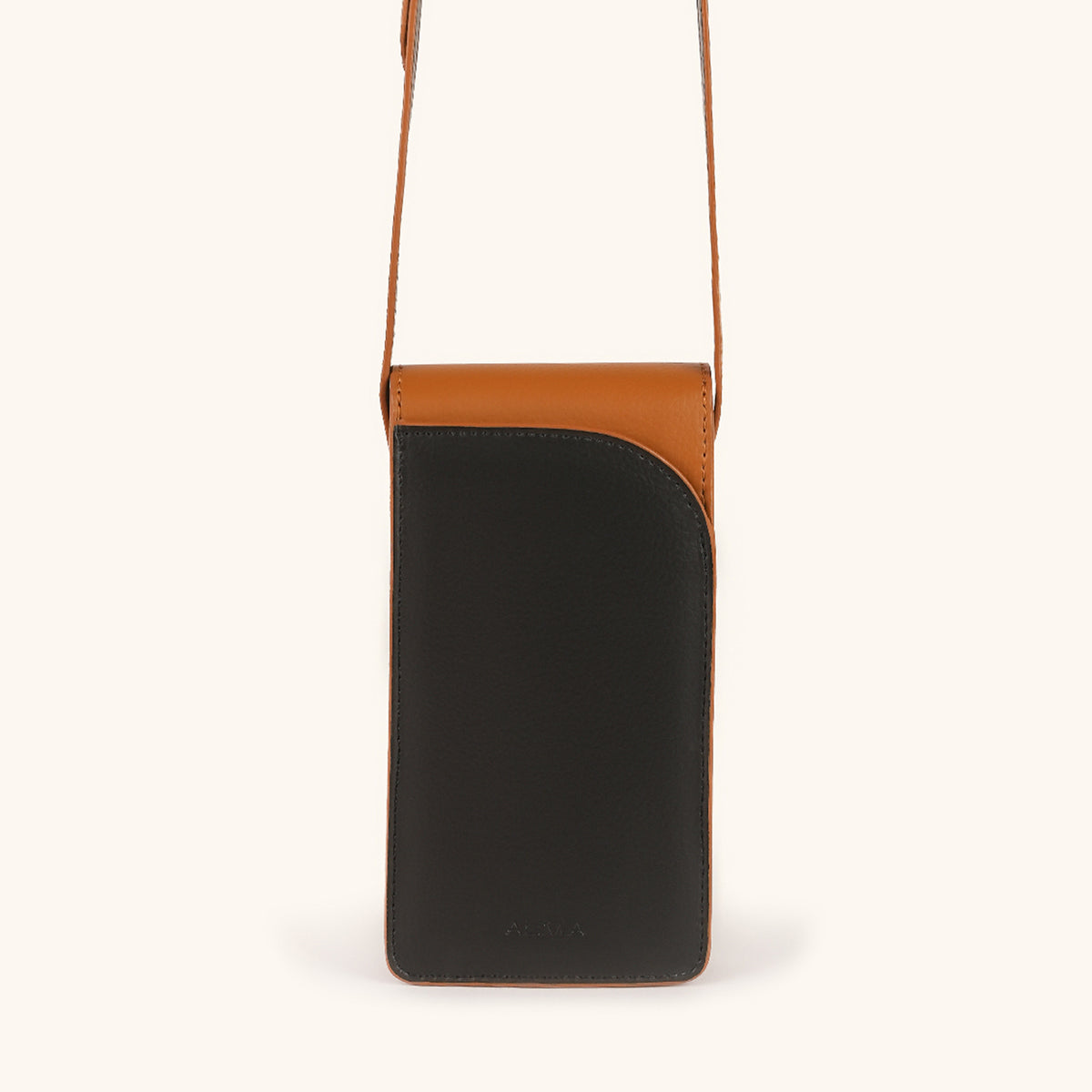
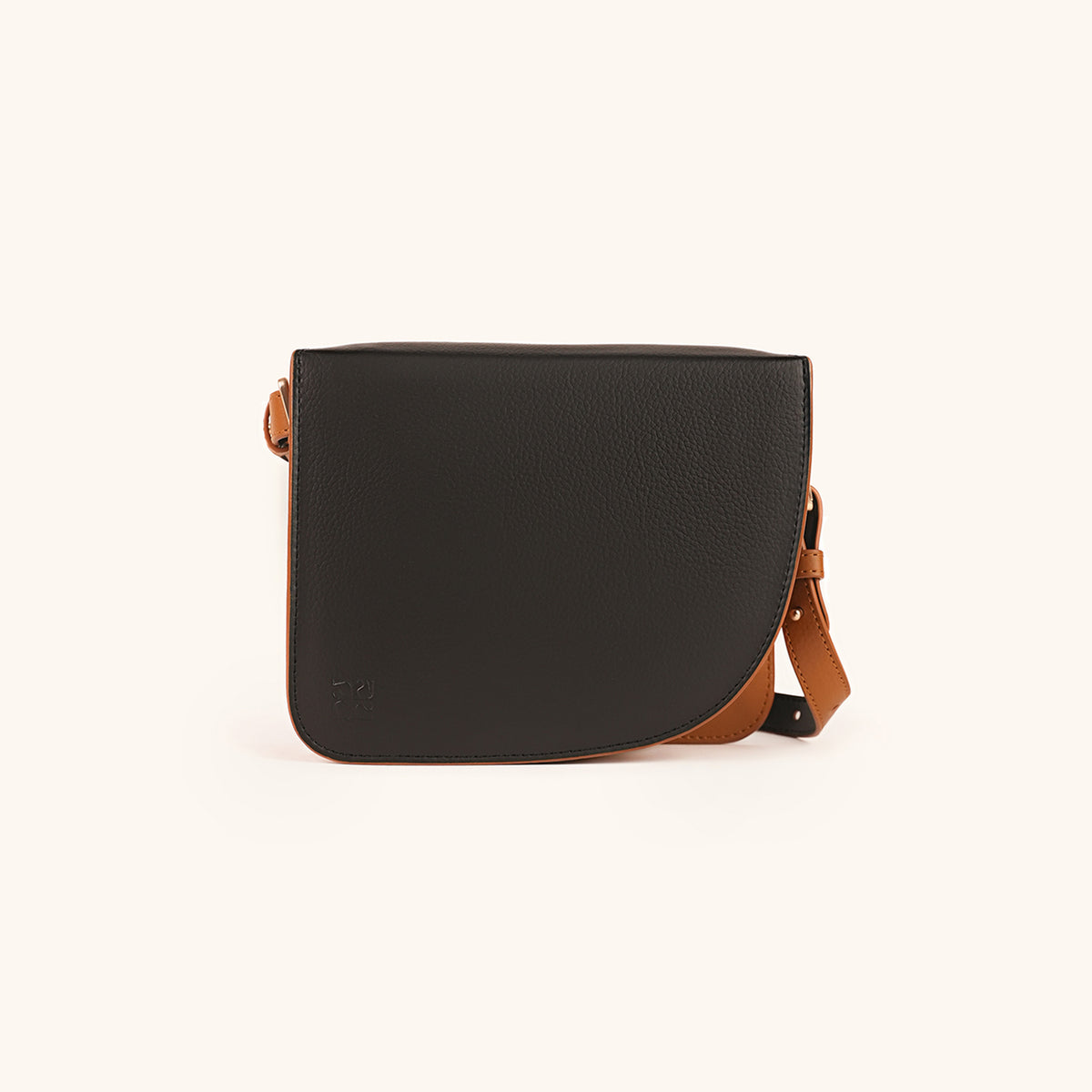
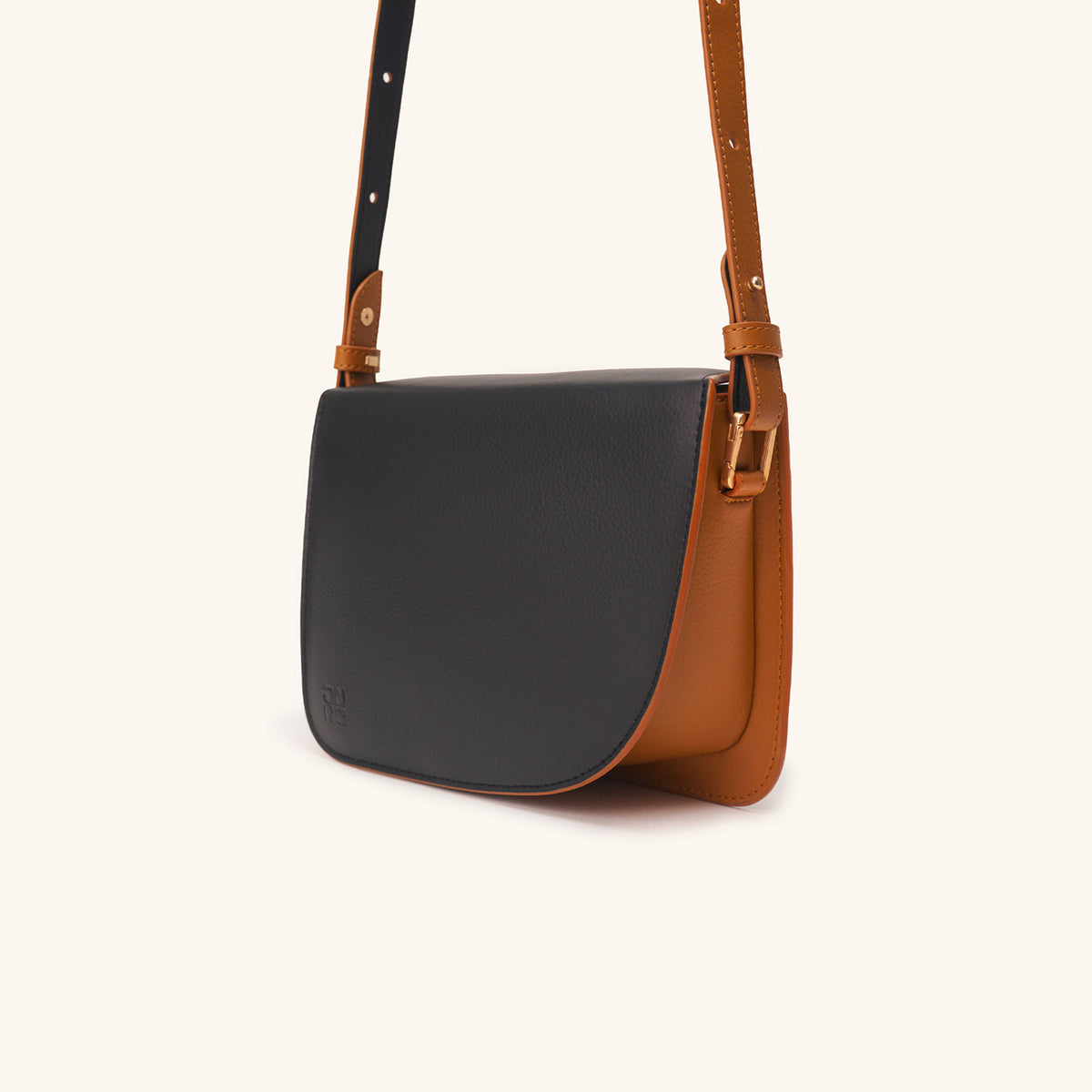
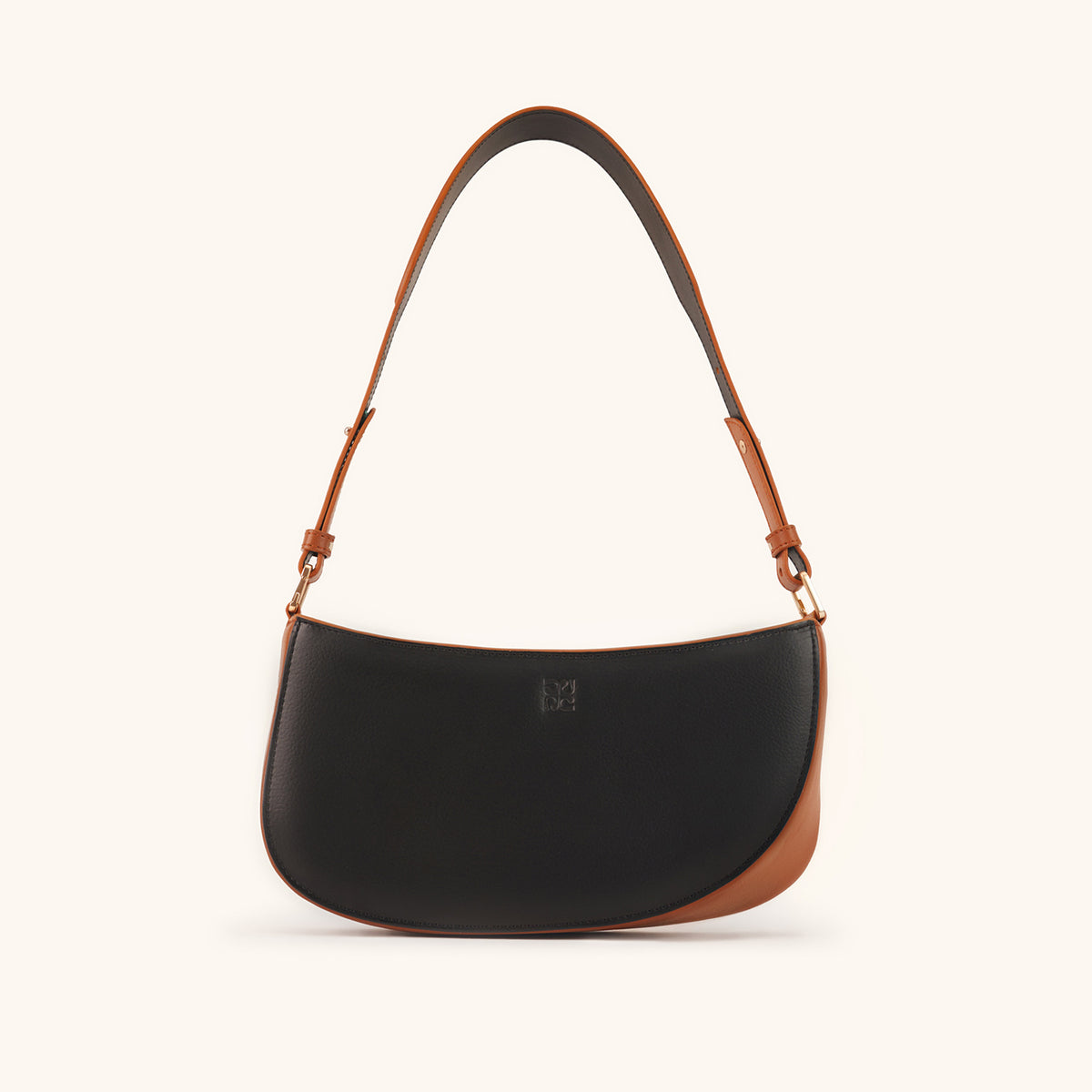
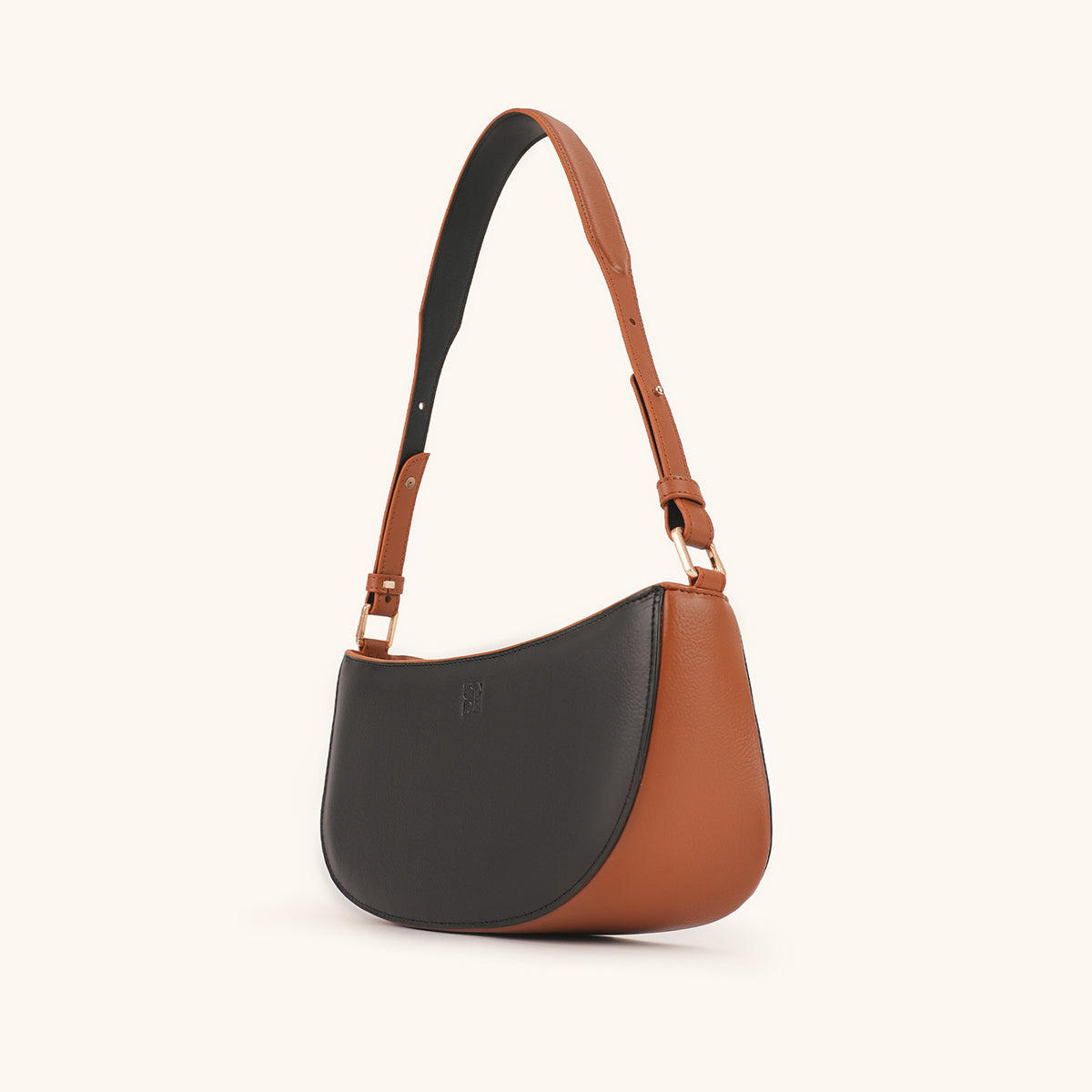
For our Arc Collection, we started with bananas.

90%
reduction in carbon emissions,
compared to animal leather.

95%
reduction in water usage, without compromising on design.

100%
reduction in toxic waste, because what we create shouldn’t come at a cost

millions
of tons of banana farming waste, reimagined into something new.

MEET BANOFI®
A next-gen alternative to animal and plastic leather, designed to replicate the look, feel, and performance of traditional leather. What would otherwise be agricultural waste becomes the starting point for a material designed to look, feel and perform like leather.




In case you're wondering?
Banofi is currently 97–98% bio-based, depending on the material construction. It combines plant-derived inputs with a small amount of synthetic material for performance and durability.
We're okay with “not perfect yet.”
We'd rather be transparent than make a tall claim.
Indeed, we have designed it to :)
Banofi is water-resistant, durable and easy to clean, making it suited to the everyday realities of a handbag.
Coffee spill? Wipe it down.
Unexpected rain? It's water resistant.
Storage? Just use the dust bag it came with and how you'd normally take care of any luxury bag.
Vegan leather is an umbrella term for materials made without animal-derived ingredients. That can include everything from plant-based innovations to materials made primarily from synthetic alternatives.
Often vegan leather is made primarily from synthetic plastics like PU or PVC.
Plant-based materials start with nature.
Today, we're seeing a whole new generation of materials made from things like cactus, apple waste, eucalyptus, mushrooms and other plant-based sources turning unexpected parts of nature into materials for fashion and design.

From plants to purpose

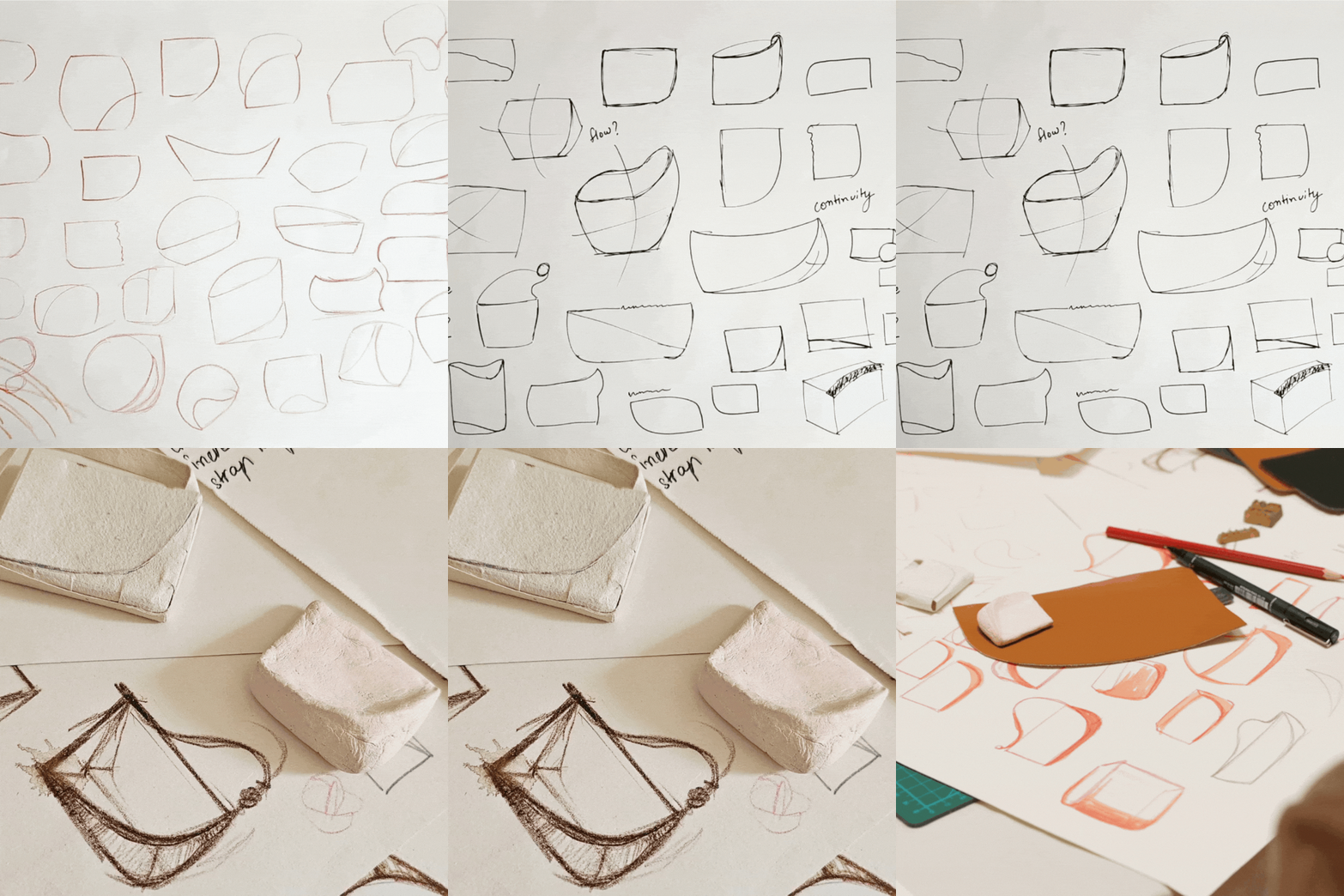
Starting Point
We’re very much pen-and-paper people. Most Alma ideas start the old-fashioned way with a blank sheet and a pen.
We sketch, scribble, cross things out and draw it again. Then again. We play with proportions, curves, pockets, handles and all the little details that make a design feel like ours.
There’s no perfect first sketch. Just lots of bad ones, a few good ones and eventually, the one that makes us say, “Okay, this could be something.”
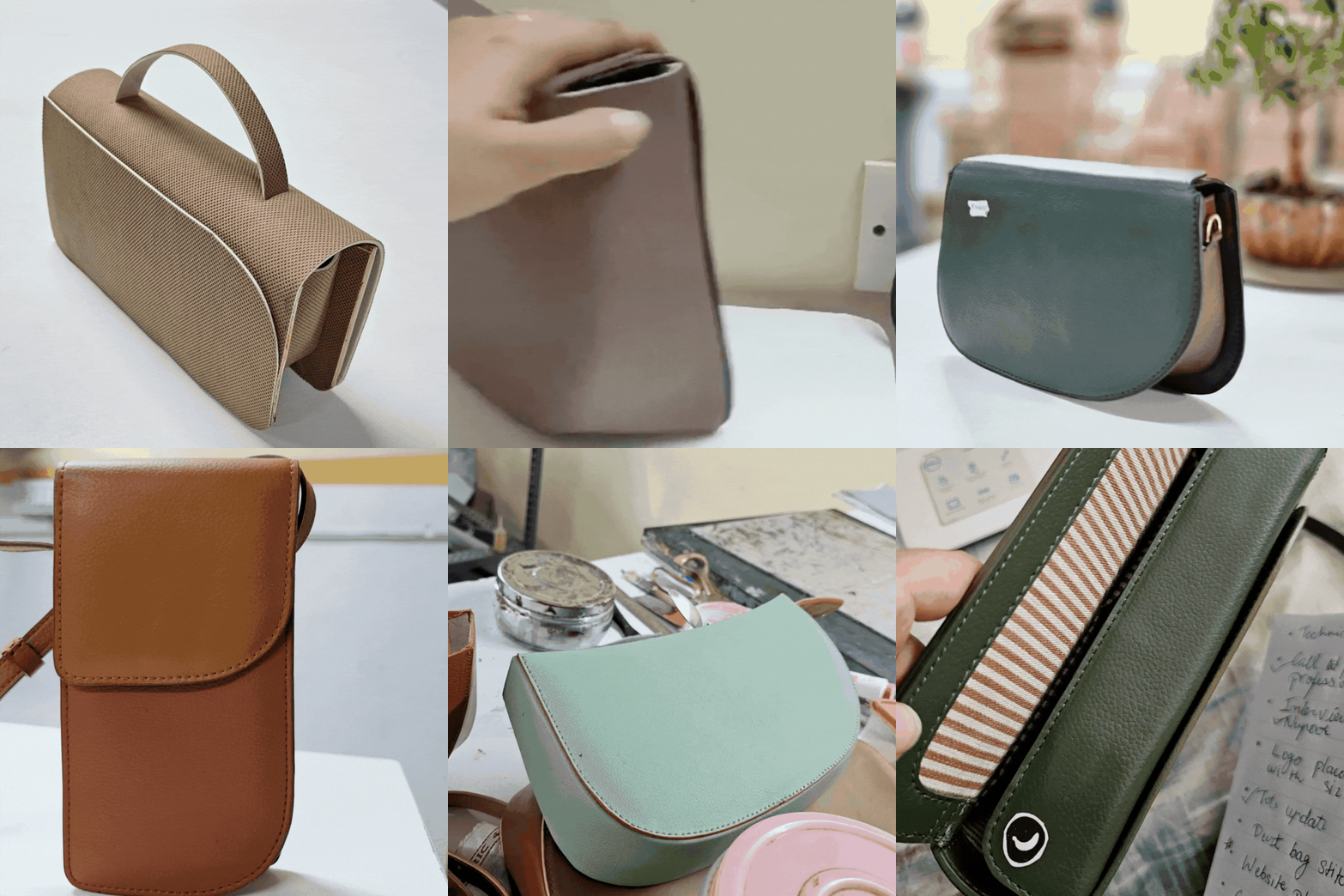
prototypes and Patience
The sketch is looking good on paper. But will it work in real life? That’s where prototypes come in. We first build mock samples in foam to test the shape, size and structure. Then we start playing with materials, testing how different textures, finishes and constructions behave.
It’s a lot of try, tweak, test and try again until the shape and material start making sense together.
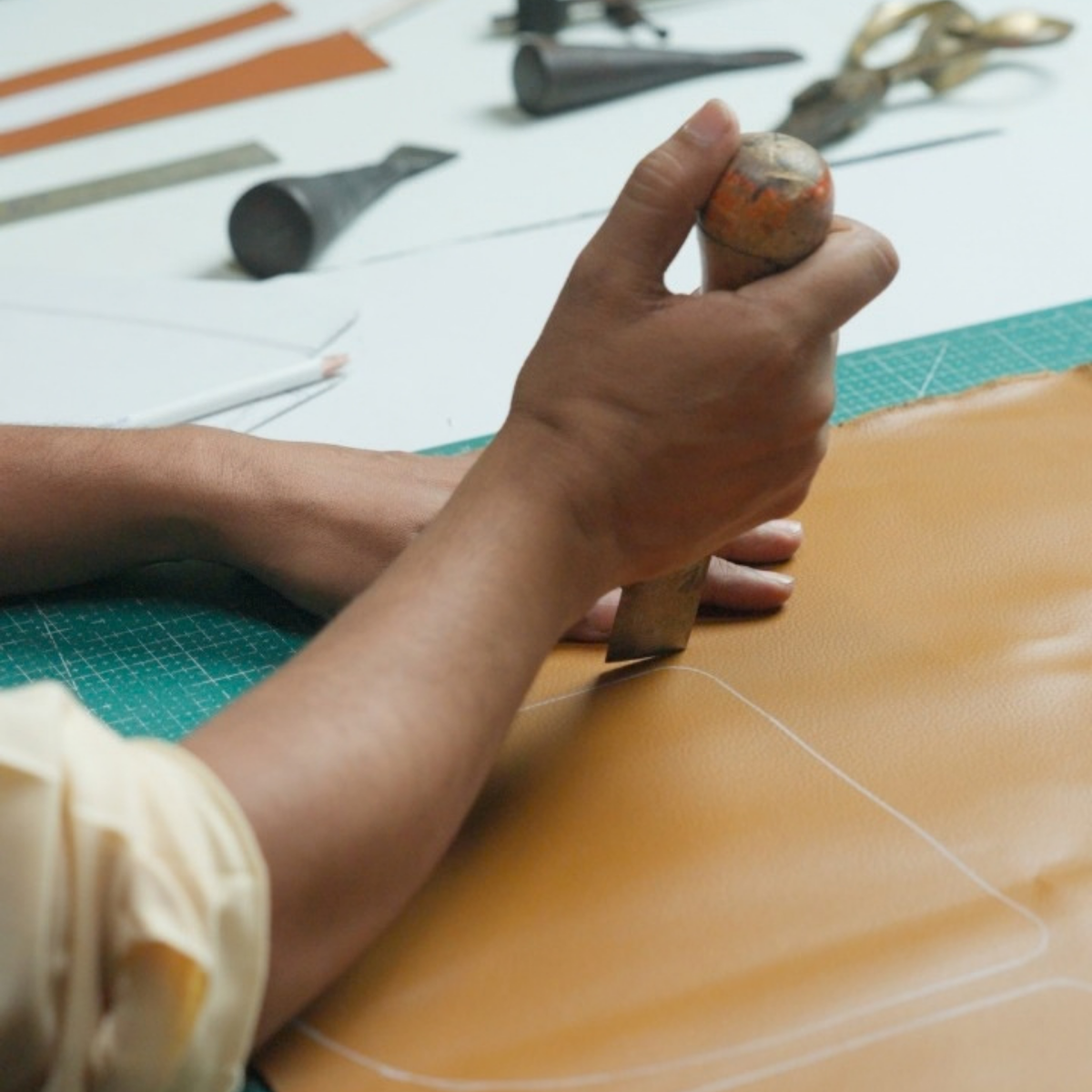
The Art Of Making
This is where our ideas meet years of experience.
Our karigars take the approved prototype and bring it to life, using skills built through years of making and, often, passed down through generations. They know how a material behaves, where a seam needs a little more thought and how to turn a tricky construction into something that just works.
There’s a lot that happens between a design and a finished bag and much of it comes from hands that know exactly what they’re doing.
The design may starts with us but the craft comes from them.
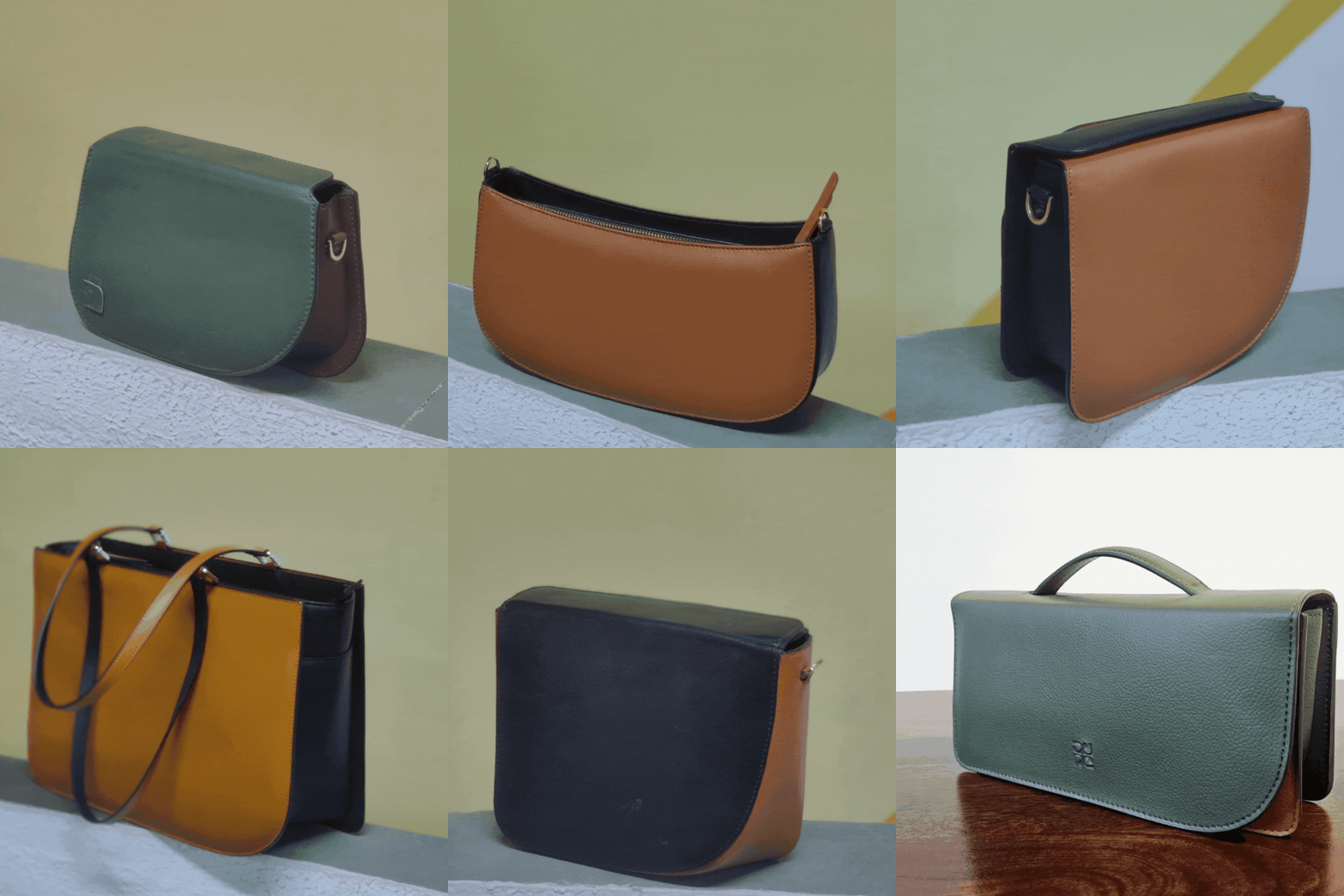
Tested IRL
A bag can look great on a table. We want to know how it feels in real life.
Before an Alma piece makes it to the production line, we put it in the hands of real people. It gets carried, opened, stuffed, worn, moved around and generally put through its everyday paces.
We watch, we listen and we notice the little things. What feels great? What gets annoying? What could work better?
Into The World
After all the sketches, prototypes, tweaks and tests, the design is finally ready to leave our hands and make its way into the world.
But somewhere along the way, it becomes more than a design. Our karigars bring their craft, we bring our overthinking, and together, we add a little soul to every piece.
We send it out into the world,
hoping that you love carrying it as much as we loved making it.
Our Team Favourites